The dark history behind one of Birmingham’s busiest places
The Bullring means something different to almost everyone in Birmingham. For some, it is shopping. For others, it is the place you cut through on the way to work, meet friends after hours, or grab food before the train. It sits right in the middle of city life, which is why it still connects so naturally to Birmingham jobs, commuting, and the daily rhythm of the city.
But long before the shops, the crowds, and the silver Selfridges building, the Bullring had a far darker reputation.
This now famous part of Birmingham once hosted markets, punishments, riots, and brutal public entertainment. It has always pulled people in. That central role never changed. Only the city around it did.
The Bullring started as a market at the heart of Birmingham
The Bullring began as a market site in the 12th century. In 1166, Peter de Birmingham secured the right to hold a market there, helping to shape the future of the city. Trade, movement, and public life all grew around that one area.
It quickly became one of the busiest spots in Birmingham. People came to buy, sell, gossip, argue, and gather. It was noisy, practical, and full of energy. In many ways, it reflected the character Birmingham would become known for over the centuries.
That link still matters now. Birmingham remains a city built on trade, ambition, and people making things happen. Whether you look at retail, hospitality, logistics, finance, construction, or office based roles, the story behind Birmingham jobs still begins with the city’s long tradition of commerce and movement.
The name came from bull baiting
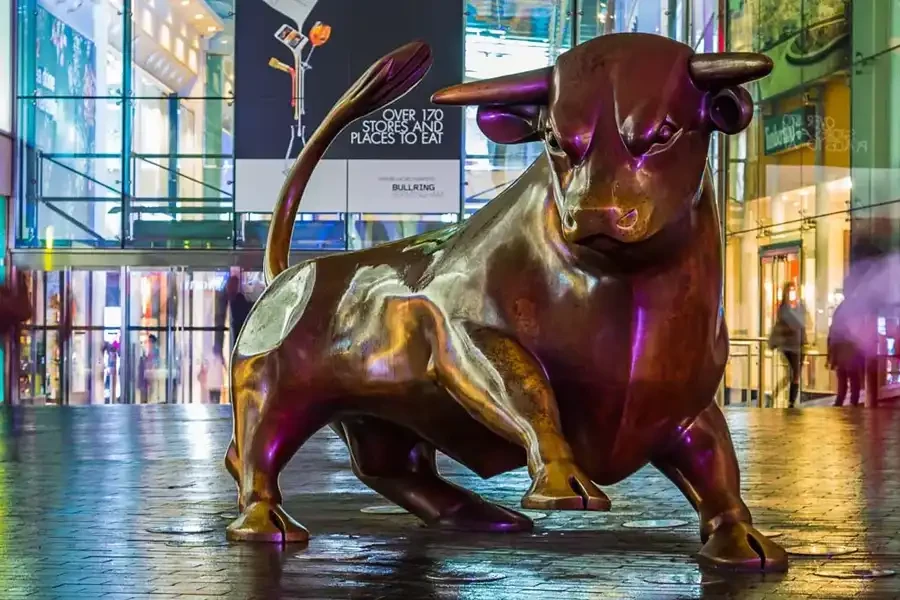
The name ‘Bullring’ has a brutal origin.
Centuries ago, people brought bulls into the area for bull baiting. They tied the animals up and set dogs on them while crowds watched. It was violent, public, and treated as entertainment. That feels shocking now, but it was a real part of the Bullring’s early identity.
Bull baiting was finally banned in 1835, but the name never disappeared. Even after the cruelty ended, the Bullring remained a place where Birmingham gathered in large numbers.
That is one reason the area still feels so important. It has always been a focal point for the city. Today, the spectacle looks very different, but the energy remains. People still move through the Bullring every day on the way to shops, offices, restaurants, stations, and workplaces across the city centre.
Public punishment once drew crowds here
The Bullring also became known as a place of public punishment.
In the 1700s and 1800s, central public spaces often served as the stage for justice. Crowds gathered to watch executions and punishments unfold in full view of the city. Workers left early. Families turned up. People shouted, jeered, and treated it as an event.
It is difficult to imagine that now when the same area is packed with shoppers, commuters, tourists, and workers on lunch breaks. But that contrast is exactly what gives the Bullring its strange power. The same ground that now supports modern Birmingham life once hosted some of its darkest scenes.
That history gives more weight to the area today. It reminds you that Birmingham did not appear overnight as a glossy city centre full of opportunity. It built itself over centuries, often through hardship, conflict, and reinvention.
Riots and unrest shaped the Bullring too
The Bullring did not just host trade and punishment. It also became a flashpoint during times of unrest.
In 1839, the Birmingham Bullring Riots turned the area into a scene of conflict. Chartists and local authorities clashed, shops were looted, and buildings were damaged. Troops had to step in.
That moment showed what the Bullring really represented. It was never just a market. It was the public heart of Birmingham. When tensions rose, they rose there. When crowds formed, they formed there.
The same central importance remains now, even in a more modern form. For people searching for jobs in Birmingham, the Bullring area still represents one of the busiest and most visible parts of the city economy. It sits close to major employers, transport links, shops, restaurants, and service-sector businesses that keep Birmingham moving every day.
The Bullring evolved into a major retail centre
As Birmingham expanded through the 19th and early 20th centuries, the Bullring grew into a stronger retail district. The Rag Market became one of its best-known features, bringing bargain hunters, traders, and real local character into the centre of town.
That older side of Birmingham still matters. It stops the city from feeling too polished or too generic. It gives the centre some grit, memory, and identity. Birmingham works because it mixes old and new so well. Big-name brands sit close to markets, independents, offices, and public spaces with real history behind them.
That blend also helps the city attract a wide range of jobs. Birmingham offers opportunities across traditional sectors and newer industries alike, which is one reason so many people continue to look for work here.
War damage changed the area, but Birmingham rebuilt it
Like much of the city, the Bullring suffered heavy damage during World War II. Bombing destroyed large sections of the area and forced Birmingham to rebuild.
That recovery tells you something important about the city. Birmingham has always been resilient. It takes disruption, adapts, and carries on. That mindset still shapes the place today.
It is one reason Birmingham remains such an important city for growth and employment. When people search for Birmingham based jobs, they are not just looking at vacancies. They are looking at a city with a long track record of rebuilding, investing, and creating fresh opportunities.
The modern Bullring helped redefine Birmingham
The post war version of the Bullring brought concrete architecture, walkways, and a very different style. Some Brummies loved it. Others could not wait to see it replaced.
Then came the major redevelopment of the early 2000s. The modern Bullring changed how people saw the city centre. The arrival of the Selfridges building, with its distinctive silver discs, gave Birmingham a landmark that felt bold and different.
That shift mattered. It signalled confidence. It made the city feel ambitious again. It showed that Birmingham was willing to invest in itself and stand out.
That kind of regeneration helps drive city-centre confidence, footfall, and employment. It also helps explain why Birmingham continues to attract employers, investment, and people looking for their next role.
The Bullring still sits close to the centre of Birmingham jobs
Today, the Bullring is much more than a shopping centre. It is a landmark, a meeting place, a commuter route, and a major part of the city-centre economy. Thousands of people pass through it while working in retail, hospitality, property, transport, administration, customer service, and office-based roles.
That makes it a natural part of the story around Birmingham jobs. If you work in the city centre, chances are the Bullring forms part of your routine in some way. If you want to work in Birmingham, it is one of the clearest symbols of the city’s energy, movement, and commercial life.
The Bullring has changed shape many times, but it has never lost its importance. It still draws people in. It still reflects the city around it. And it still sits at the heart of a Birmingham that keeps moving forward.